Pai In The Sky
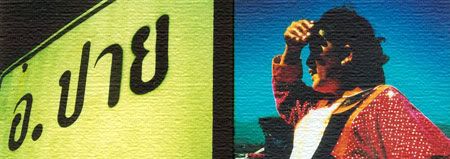
Pai, Thailand
By Tim Schorzman
Pai, Thailand
By Tim Schorzman
From link::www.bootsnall.com
Pai is the kind of place I'd be inclined to despise if there wasn't so much that I liked here. You run into similar situations all over Thailand and most of southeast Asia. Farang, Westerners, come through, stay awhile, find something about the place they like and then never leave. Over time, word of mouth gets out and others flock to the area. Everybody contributes what they will and the next thing you know, the place is transformed into whatever these farang want it to be, dragging whatever natives are willing with them, pushing the unwilling into their corners of town to deal with themselves.

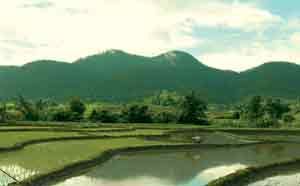
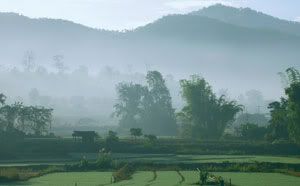
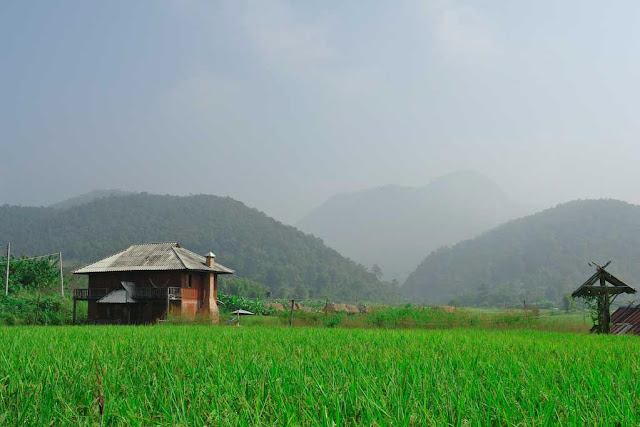
This is the conundrum of tourism, I suppose - a cancer that moves from place to place, leaving its mark wherever it goes until it gets saturated, cursing its own poison and wondering why nobody wants it anymore. It is a virus whose only purpose, in the end, is its own pleasure, knowledge and enrichment. It is whatever we choose to do with all these experiences that makes the difference between a compassionate wanderer and a lethal death-ray 3000 culture-killer. The ride to Pai from either direction - east from Chiang Mai or west from Mae Hong Son - is on one of the most beautiful, gut-wrenching mountain passes known to man. You get plenty of chances to gawk as the bus or truck or van huffs along, trying to climb these hills, gears cranking, pistons screaming, brakes threatening to snap in half, animals scurrying in all directions for fear the Great Metal Devil will veer right off the road and chase them into the jungle. Three-thousand feet hills, covered in jungle forest, dominate the landscape and jagged peaks everywhere. It is an unpredictable terrain - as though God designed it while riding a bucking bronco. You zoom down the hill and there's the little town, scrunched in between. You feel cozy the second you step off the bus. There are three guest houses, two restaurants, a small store and a place to rent motorbikes within 50 steps of the bus station - food, bed, transportation at the snap of a finger. As you turn left down the main street, the only thing you notice is the swirling mass of a marketplace. A lady spins scarves and blankets on a loom to your right. Bead shops, yoga classes, massages, 500 ways to find inner-peace-through-meditation courses. A girl zooms by on a bike, stuffing a flyer for an acoustic guitar show at a Sheesha bar in your hand. Every conceivable food stand, even fried beetles and frogs, surround you. Fresh-baked bread shops, tribal crafts, motorbikes crashing into the shoulder-to-shoulder foray are everywhere. Rafting and trekking guide offices, internet shops and the biggest assortment of bookstores per capita than any other place in Thailand. A Mosque. You can see everybody, from longhaired, hippie professors on sabbatical, to kids fresh out of school, to punk rock Thais and wrinkled old men playing checkers. The whole place reeks of incense, patchouli, grilled sausages and curry. It's a 15-minute walk out of town, across the river and through a meadow to the Sun Huts, my chosen place of lodging. I got some advice along the way to stay there, and from the looks of it, it is good advice. Five kittens, two tail-wagging dogs and a rabbit greet me. The orange and black bird in the seven feet-tall cage announces my arrival. Orn, one of the owners, is a tiny, middle-aged Thai lady with a soft voice and that cute, homey, motherliness demeanor. She shows me how to write my name in Thai script. She gives me a sample of a yogurt made from herbacea plant (which apparently helps my heart and digestive system) before I've even signed myself in. A small pool with a waterfall sits next to a gazebo with books, games, pillows and the ultimate monument to chilling out, hammocks. Hammocks are everywhere. You can help yourself to the coffee, tea and Ovaltine. And grandma makes the best banana pancakes. If you've been traveling for awhile, from places like Austin, New Orleans or Chicago, the Bebop Café is the perfect place to feel homesick. Brick-walled, high-ceilinged, leather couches and B.B. King paraphernalia. The house band for the weekend - a strange hodgepodge of Thais that look like Bootsy Collins, Les Claypool, and Snoop Dogg mixed in a blender - jam out all night playing a Bob Marley-meets-Parliament with James Brown free styling in really bad Thai-English kind of funk. Purists scoff, but everyone else is feeling good, knowing they would. Booze is cheap, vibes good, and half the world is represented. Now if I could just find my motorbike. Most of the Thais who live around Pai descend from one of the nearby hill-tribe villages. If you hike in any direction, you won't go far before you run into one of these quaint little places. The Opium Trade from the Golden Triangle extends all the way down here. Almost every village has seen substantial financial benefits at some point. In fact, villagers attribute most major improvements to opium money. Addiction levels are high, obviously, but you won't hear too many complaints, especially from the older people. Opium is given medicinally, almost like cough syrup, to almost everyone. It rivals prescription drugs in the West. It's an interesting problem. "Just try living on two cups of rice and a few chilies a day, in thatched-leaf huts in a difficult terrain," says Mr. Lert, our trek guide who hails from one of these villages, "and it's easy to see when someone offers you a 50-pound bag of rice, five pigs and 10 chickens for a crop of opium, why you keep growing it." The government is beginning to crack down. The resurgent push to address the drug problem in the country puts these villages in the cross hairs - fields burned, people arrested, even worse. There is growing concern as to their futures without this crop. The battle rages on. Hiking across these lands can be as rewarding as it is challenging. We bushwhack our way through thick jungle, up one hill, down another, for days on end. Yet from the peaks of one of these hills, you can see Pai in the distance, and the stunning views of valleys and trees in all directions. Bamboo trees double as rice cookers, pottery, rafts, recliners, teakettles and eating utensils. You can even craft a popgun - only a sharp carving knife away. The smorgasbords of jungle fruits are face-scrunchingly sour and nuts are plentiful. We had to beat two cobras out of our camp over the night, and there's a whole zoo of millipedes, lizards and spiders to keep things exciting. Pai means "go" in Thai, which is interesting because nobody seems to go anywhere once they get here. It's terribly overrun with farang, people who get caught up in the magic and forget to go home. It's a powerful place. If you plan to move on in three days, five days later you're polishing off your third mango shake, lazily heaping yourself out of the hammock and deciding to ride to the hot springs down the road, which you meant to do the second day. A night sipping homemade Chai tea - listening to jazz in the Tea Room - a few days of hiking or rafting down the Mae Nam Pai - one of Abodya's masaman curries - and you're caught in the Matrix too. Another victim who fell in love and just couldn't leave. A Jedi craves not these things.
From link::www.bootsnall.com
Other links::Living with Lisu Hilltribe
Chiang Mai -water festival
Pai is the kind of place I'd be inclined to despise if there wasn't so much that I liked here. You run into similar situations all over Thailand and most of southeast Asia. Farang, Westerners, come through, stay awhile, find something about the place they like and then never leave. Over time, word of mouth gets out and others flock to the area. Everybody contributes what they will and the next thing you know, the place is transformed into whatever these farang want it to be, dragging whatever natives are willing with them, pushing the unwilling into their corners of town to deal with themselves.

This is the conundrum of tourism, I suppose - a cancer that moves from place to place, leaving its mark wherever it goes until it gets saturated, cursing its own poison and wondering why nobody wants it anymore. It is a virus whose only purpose, in the end, is its own pleasure, knowledge and enrichment. It is whatever we choose to do with all these experiences that makes the difference between a compassionate wanderer and a lethal death-ray 3000 culture-killer. The ride to Pai from either direction - east from Chiang Mai or west from Mae Hong Son - is on one of the most beautiful, gut-wrenching mountain passes known to man. You get plenty of chances to gawk as the bus or truck or van huffs along, trying to climb these hills, gears cranking, pistons screaming, brakes threatening to snap in half, animals scurrying in all directions for fear the Great Metal Devil will veer right off the road and chase them into the jungle. Three-thousand feet hills, covered in jungle forest, dominate the landscape and jagged peaks everywhere. It is an unpredictable terrain - as though God designed it while riding a bucking bronco. You zoom down the hill and there's the little town, scrunched in between. You feel cozy the second you step off the bus. There are three guest houses, two restaurants, a small store and a place to rent motorbikes within 50 steps of the bus station - food, bed, transportation at the snap of a finger. As you turn left down the main street, the only thing you notice is the swirling mass of a marketplace. A lady spins scarves and blankets on a loom to your right. Bead shops, yoga classes, massages, 500 ways to find inner-peace-through-meditation courses. A girl zooms by on a bike, stuffing a flyer for an acoustic guitar show at a Sheesha bar in your hand. Every conceivable food stand, even fried beetles and frogs, surround you. Fresh-baked bread shops, tribal crafts, motorbikes crashing into the shoulder-to-shoulder foray are everywhere. Rafting and trekking guide offices, internet shops and the biggest assortment of bookstores per capita than any other place in Thailand. A Mosque. You can see everybody, from longhaired, hippie professors on sabbatical, to kids fresh out of school, to punk rock Thais and wrinkled old men playing checkers. The whole place reeks of incense, patchouli, grilled sausages and curry. It's a 15-minute walk out of town, across the river and through a meadow to the Sun Huts, my chosen place of lodging. I got some advice along the way to stay there, and from the looks of it, it is good advice. Five kittens, two tail-wagging dogs and a rabbit greet me. The orange and black bird in the seven feet-tall cage announces my arrival. Orn, one of the owners, is a tiny, middle-aged Thai lady with a soft voice and that cute, homey, motherliness demeanor. She shows me how to write my name in Thai script. She gives me a sample of a yogurt made from herbacea plant (which apparently helps my heart and digestive system) before I've even signed myself in. A small pool with a waterfall sits next to a gazebo with books, games, pillows and the ultimate monument to chilling out, hammocks. Hammocks are everywhere. You can help yourself to the coffee, tea and Ovaltine. And grandma makes the best banana pancakes. If you've been traveling for awhile, from places like Austin, New Orleans or Chicago, the Bebop Café is the perfect place to feel homesick. Brick-walled, high-ceilinged, leather couches and B.B. King paraphernalia. The house band for the weekend - a strange hodgepodge of Thais that look like Bootsy Collins, Les Claypool, and Snoop Dogg mixed in a blender - jam out all night playing a Bob Marley-meets-Parliament with James Brown free styling in really bad Thai-English kind of funk. Purists scoff, but everyone else is feeling good, knowing they would. Booze is cheap, vibes good, and half the world is represented. Now if I could just find my motorbike. Most of the Thais who live around Pai descend from one of the nearby hill-tribe villages. If you hike in any direction, you won't go far before you run into one of these quaint little places. The Opium Trade from the Golden Triangle extends all the way down here. Almost every village has seen substantial financial benefits at some point. In fact, villagers attribute most major improvements to opium money. Addiction levels are high, obviously, but you won't hear too many complaints, especially from the older people. Opium is given medicinally, almost like cough syrup, to almost everyone. It rivals prescription drugs in the West. It's an interesting problem. "Just try living on two cups of rice and a few chilies a day, in thatched-leaf huts in a difficult terrain," says Mr. Lert, our trek guide who hails from one of these villages, "and it's easy to see when someone offers you a 50-pound bag of rice, five pigs and 10 chickens for a crop of opium, why you keep growing it." The government is beginning to crack down. The resurgent push to address the drug problem in the country puts these villages in the cross hairs - fields burned, people arrested, even worse. There is growing concern as to their futures without this crop. The battle rages on. Hiking across these lands can be as rewarding as it is challenging. We bushwhack our way through thick jungle, up one hill, down another, for days on end. Yet from the peaks of one of these hills, you can see Pai in the distance, and the stunning views of valleys and trees in all directions. Bamboo trees double as rice cookers, pottery, rafts, recliners, teakettles and eating utensils. You can even craft a popgun - only a sharp carving knife away. The smorgasbords of jungle fruits are face-scrunchingly sour and nuts are plentiful. We had to beat two cobras out of our camp over the night, and there's a whole zoo of millipedes, lizards and spiders to keep things exciting. Pai means "go" in Thai, which is interesting because nobody seems to go anywhere once they get here. It's terribly overrun with farang, people who get caught up in the magic and forget to go home. It's a powerful place. If you plan to move on in three days, five days later you're polishing off your third mango shake, lazily heaping yourself out of the hammock and deciding to ride to the hot springs down the road, which you meant to do the second day. A night sipping homemade Chai tea - listening to jazz in the Tea Room - a few days of hiking or rafting down the Mae Nam Pai - one of Abodya's masaman curries - and you're caught in the Matrix too. Another victim who fell in love and just couldn't leave. A Jedi craves not these things.
From link::www.bootsnall.com
Other links::Living with Lisu Hilltribe
Chiang Mai -water festival